Hepatitis B Vaccine Trial in Guinea-Bissau Receives Approval
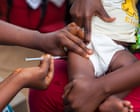
Hepatitis B Vaccine Trial Receives Green Light in Guinea-Bissau
A contentious medical investigation focusing on hepatitis B vaccine administration protocols has been granted clearance to proceed in Guinea-Bissau. The hepatitis B vaccine trial, conducted by researchers from Denmark, represents a significant moment in vaccine research methodology and has garnered considerable attention from health policy observers and vaccine advocates alike.
The study design involves implementing modified immunization schedules for newborn populations in the West African nation. Rather than administering the standard recommended dosage of hepatitis B vaccine to all participants, the research protocol will provide reduced or delayed vaccination schedules to certain cohorts of infants born during the trial period.
Connection to RFK Jr's Vaccine Policy Framework
The approval of this hepatitis B vaccine trial aligns with the broader vaccine research agenda championed by Robert F. Kennedy Jr., who currently serves as Secretary of the United States Department of Health and Human Services. Kennedy has established himself as a prominent figure advocating for alternative vaccine schedules and modified immunization approaches, departing significantly from conventional public health recommendations.
Throughout his career preceding his current governmental position, Kennedy maintained that existing vaccine protocols required reevaluation and adjustment. His appointment to lead HHS has provided institutional support for vaccine research initiatives that diverge from mainstream medical consensus and global health organization guidelines.
Research Methodology and Study Parameters
The hepatitis B vaccine trial operating in Guinea-Bissau involves withholding the recommended initial dose of hepatitis B vaccination from thousands of newborns across multiple health facilities. Danish research institutions will oversee data collection, monitoring, and outcome measurements throughout the study duration.
Participating infants will be divided into comparison groups, with some receiving the standard vaccination protocol while others follow alternative immunization timelines. Researchers plan to analyze health outcomes, infection rates, and immune response variations across different vaccination schedules over an extended observation period.
Global Health Implications and Concerns
Hepatitis B represents a significant public health challenge in many African nations, including Guinea-Bissau. The hepatitis B vaccine has demonstrated substantial effectiveness in preventing chronic infection and reducing transmission rates when administered according to established protocols.
Public health organizations worldwide have expressed concerns regarding vaccine trial designs that intentionally modify or delay standard immunization schedules. Critics argue that withholding proven preventive interventions from vulnerable populations, particularly infants in resource-limited settings, raises ethical questions about research participant protection and informed consent procedures.
Regulatory Approval Process
The hepatitis B vaccine trial received formal approval from Guinea-Bissau's regulatory authorities following review of the research protocol. The decision reflects complex considerations between supporting scientific investigation and protecting participant welfare in developing countries.
International research ethics frameworks typically require that vaccine trials demonstrate clear scientific justification for any deviations from established immunization guidelines. The approval suggests that Guinea-Bissau's health authorities evaluated the hepatitis B vaccine trial as meeting necessary regulatory and ethical standards for proceeding.
Broader Context of Vaccine Research Debates
The hepatitis B vaccine trial in Guinea-Bissau occurs amid intensifying debates about vaccine policy, research methodologies, and public health decision-making. Various stakeholders, including medical professionals, researchers, policymakers, and patient advocacy organizations, maintain divergent perspectives on immunization protocols and clinical investigation approaches.
The trial represents one component of evolving discussions regarding how vaccine recommendations are established, evaluated, and implemented across different global regions and population groups. These conversations extend beyond technical scientific considerations to encompass philosophical questions about public health priorities and research participant protections.