England's Drought Crisis: Over Half the Nation Faces Water Shortage
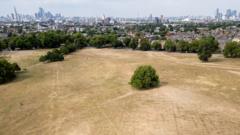
England's Drought Crisis: Over Half the Nation Declared in Emergency Status
An unprecedented England drought crisis has gripped more than half of the country as environmental officials implement emergency water shortage measures. The Environment Agency's formal drought declaration marks a critical turning point in the nation's water security, following an extended period of exceptional heat and minimal precipitation that has fundamentally altered the landscape and threatened vital resources across multiple sectors.
The Extent of the Water Emergency
The drought declaration encompasses numerous regions across England, with environmental authorities confirming that the affected areas represent more than fifty percent of the nation's territory. This widespread water shortage comes after consecutive months of unusually high temperatures combined with significantly below-average rainfall, creating conditions that have depleted groundwater reserves and surface water supplies at alarming rates.
Officials have characterized the situation as a direct result of the exceptionally hot and dry period that has persisted across the British Isles. The England drought crisis has prompted immediate governmental and organizational responses aimed at preserving remaining water resources and preventing further deterioration of critical infrastructure dependent on adequate water supply.
Impact on Rivers and Waterways
Rivers throughout the drought-affected regions have experienced unprecedented low water levels, fundamentally disrupting ecosystems and limiting water availability for agricultural irrigation and municipal consumption. The water shortage has transformed previously reliable waterways into diminished streams, affecting aquatic habitats and threatening species dependent on adequate river flows.
These hydrological changes represent a significant departure from historical patterns, with measurements indicating that current water levels in major river systems remain substantially below seasonal averages. The drought declaration by environmental authorities reflects serious concerns about continued river deterioration should precipitation patterns remain unfavorable in forthcoming months.
Agricultural and Crop Consequences
Farmers across England face mounting challenges as the drought crisis intensifies pressures on agricultural productivity. The England drought has severely impacted crop yields, with reduced water availability preventing adequate irrigation during critical growing seasons. This agricultural impact threatens food production capabilities and creates economic hardship for rural communities dependent on farming operations.
The exceptional heat accompanying the water shortage has accelerated soil moisture depletion, creating a double challenge for agricultural operations. Farmers report increased costs for alternative water procurement methods and express significant concern about potential harvest losses. The combination of factors contributing to this drought declaration suggests that agricultural recovery will extend well beyond the immediate crisis period.
Environmental and Ecological Effects
Natural ecosystems throughout drought-affected regions face unprecedented stress as habitat conditions deteriorate rapidly. The water shortage has disrupted breeding patterns for numerous species, reduced vegetation growth, and created conditions favorable for increased pest populations. Wildlife dependent on specific water conditions faces displacement or population decline.
Conservation organizations warn that the England drought crisis poses long-term threats to biodiversity if prolonged conditions persist. The drought declaration serves as a warning that environmental systems designed around historical precipitation patterns require urgent reassessment. Extended recovery periods will likely be necessary even after normal rainfall patterns resume.
Official Response and Water Management Measures
The Environment Agency's drought declaration activates previously established emergency protocols designed to manage critical water shortages. Authorities have begun implementing restrictions on non-essential water usage, including limitations on garden irrigation, public fountains, and industrial applications not directly related to essential services.
Water companies operating within drought-affected zones have announced infrastructure assessments to identify vulnerability points within distribution networks. The England drought situation has prompted acceleration of planned water infrastructure upgrades and investigation of alternative supply sources including water recycling facilities and treated wastewater applications.
Looking Forward: Recovery and Prevention
The current England drought crisis underscores the necessity for comprehensive water management strategies and climate adaptation planning. Environmental experts emphasize that the water shortage experienced represents conditions that may become increasingly frequent without substantive changes to water consumption patterns and agricultural practices.
The drought declaration serves as a critical reminder of England's vulnerability to extended dry periods and the urgent need for investments in water security infrastructure. Recovery from the current situation will require sustained effort and coordination between governmental bodies, water suppliers, agricultural sectors, and individual consumers committed to responsible water stewardship.


